H C I

Discussion Papers 1:

Abstract

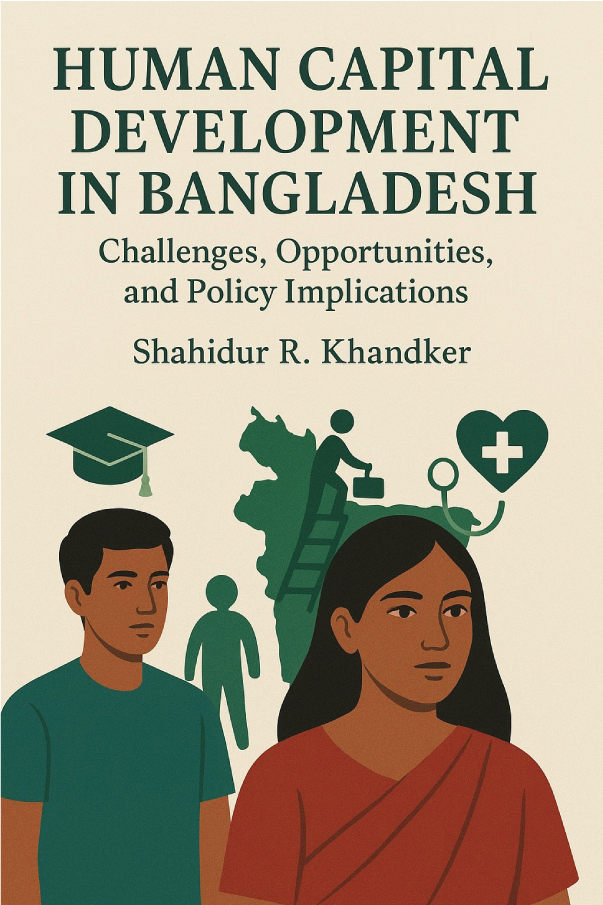
Human capital—the stock of skills, education, health, and abilities embodied in the workforce is a central pillar of sustainable economic growth and social development. In the context of Bangladesh, the paradox of high GDP growth alongside persistent skill gaps, unemployment among educated youth, and poor health indicators highlights the need for a strategic overhaul in human capital development. This paper examines the current state of human capital in Bangladesh, identifies structural and institutional challenges, and proposes forward-looking policy interventions to harness the country’s demographic dividend and avoid the middle-income trap. Drawing on global evidence and Bangladesh-specific data, the paper highlights the importance of quality education, vocational training, early childhood development, and technological innovation in driving inclusive and sustainable growth.
The Role of Human Capital

Human capital refers to the stock of knowledge, skills, competencies, and health embodied in individuals that enhance their productivity and economic potential. The concept was popularized by Gary Becker (1964), who likened investment in education and training to investment in physical capital. Human capital plays a vital role in determining a nation’s capacity to innovate, adapt, and grow in a dynamic global economy.

Work In Progress . . .

Stay Tune

Lets Get in Touch . . .

Working to Improve the Human Capital for a Prosperous Nation

Contact Us

Borak Unique Heights, Flat 11/A, 117 Kazi Nazrul Islam Avenue, Eskaton Garden, Dhaka 1000.

© 2025 – 2035 | Alrights reserved by Human Capital Initiative Trust

Email

Have a project in your mind?

© 2022 – 2025 | Alrights reserved by Wealcoder
Email

Have a project in your mind?

09 : 00 AM - 10 : 30 PM

Saturday – Thursday